Threads of Memory & Art: Spark Imagine Peace
Threads of Memory & Art exhibition: Spark Imagine Peace is a monumental youth-led immersive art and technology project that transforms historical learning into a shared public experience of remembrance, reflection, transformation, and participation. Presented in the Great Hall at the Toronto Botanical Garden from March 4 to 10, 2026, the installation brought together approximately 500 student artworks curated by Alpha Education, 1,000 origami butterflies created as a meditative response to student learning at the WongAvery Peace Museum, and a fully custom-built immersive environment designed, fabricated, programmed, assembled, and technically directed by Unionville High School students.
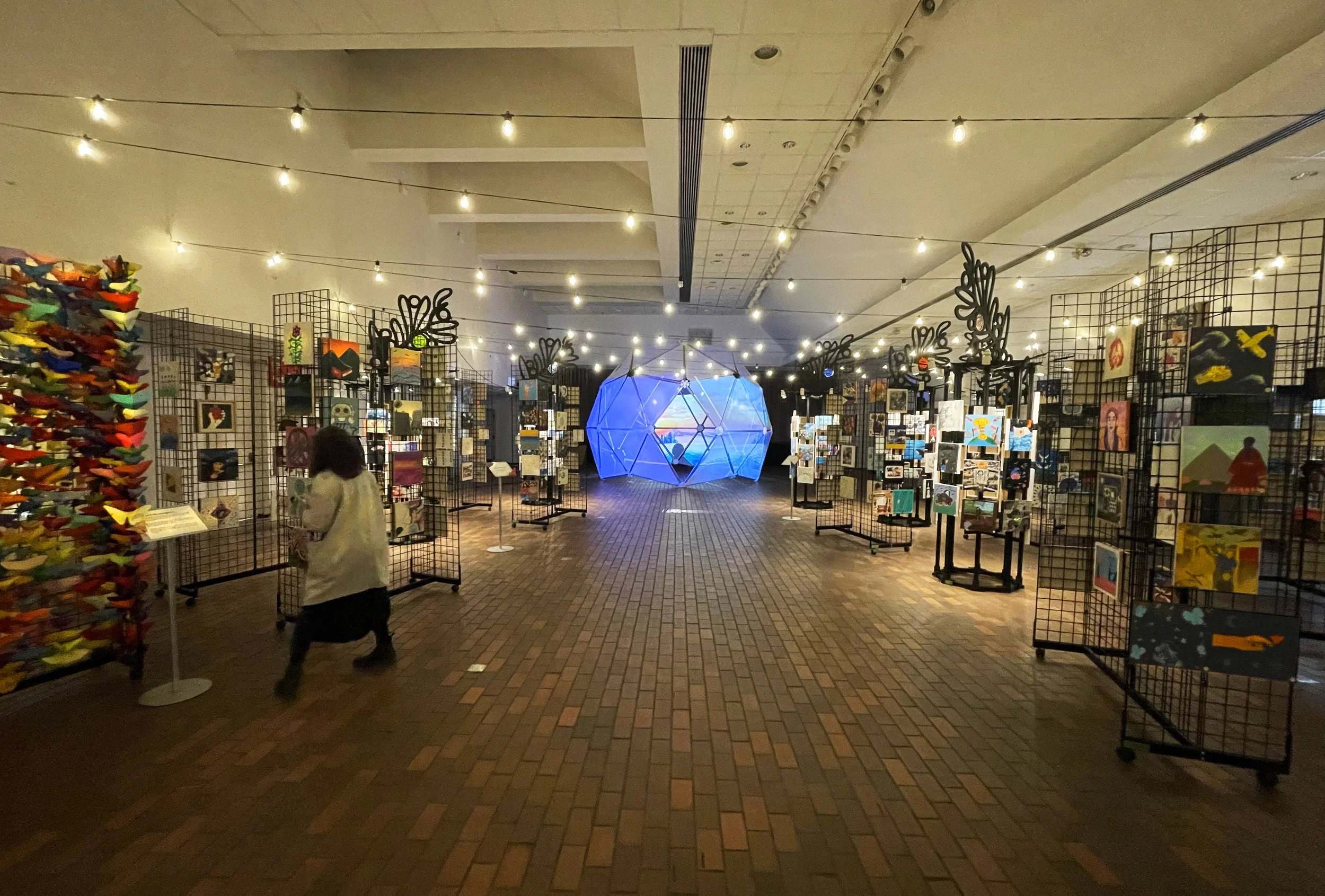
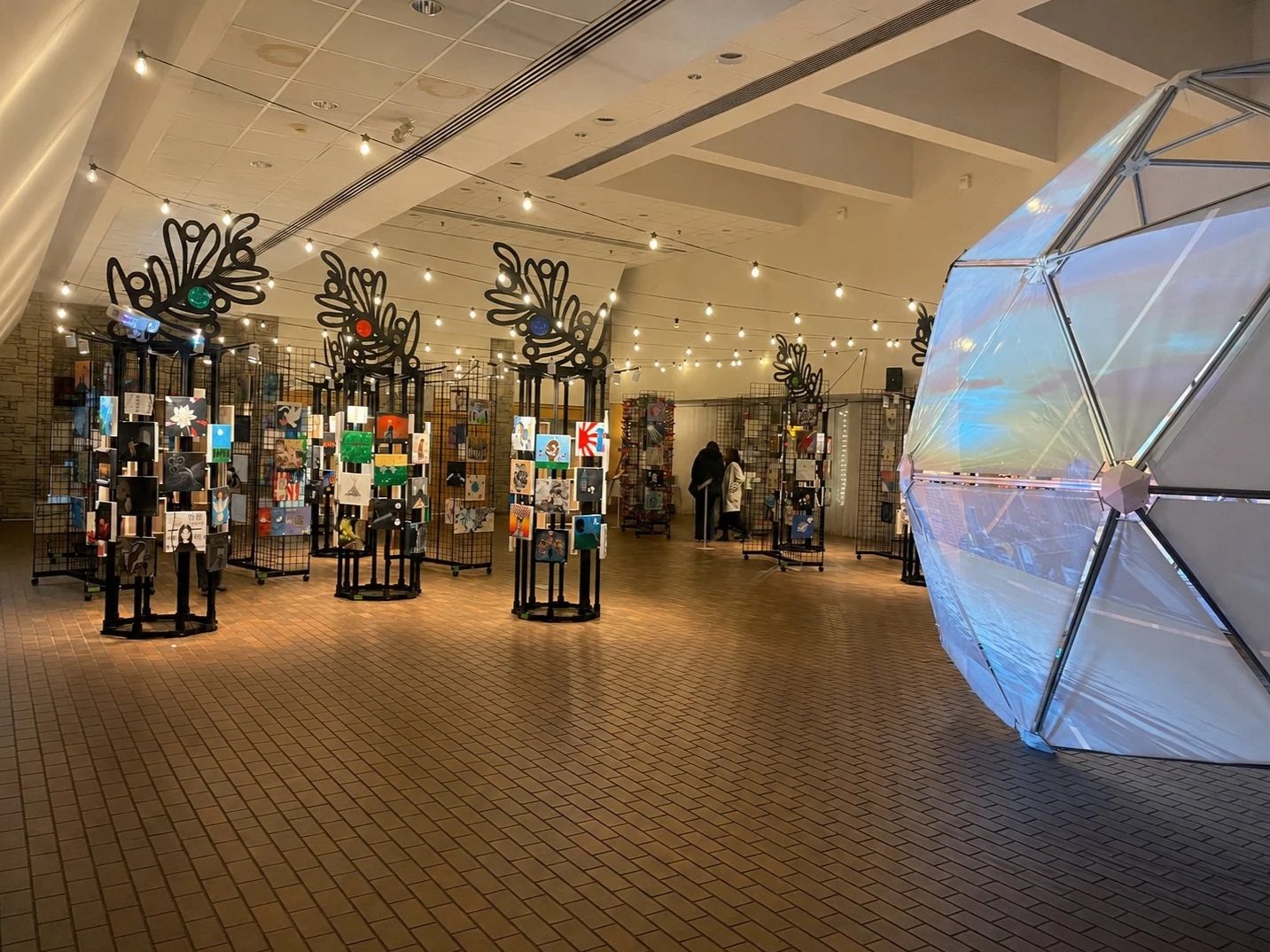
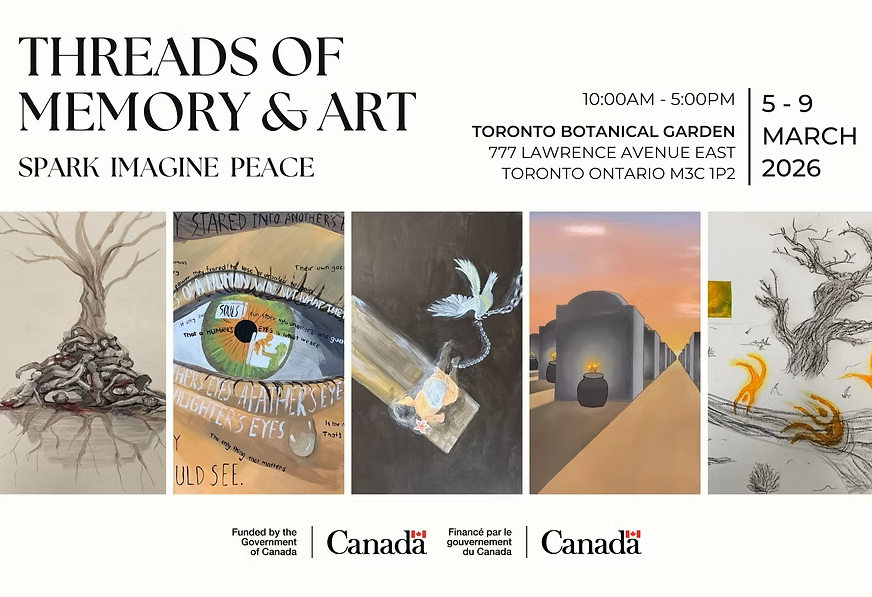
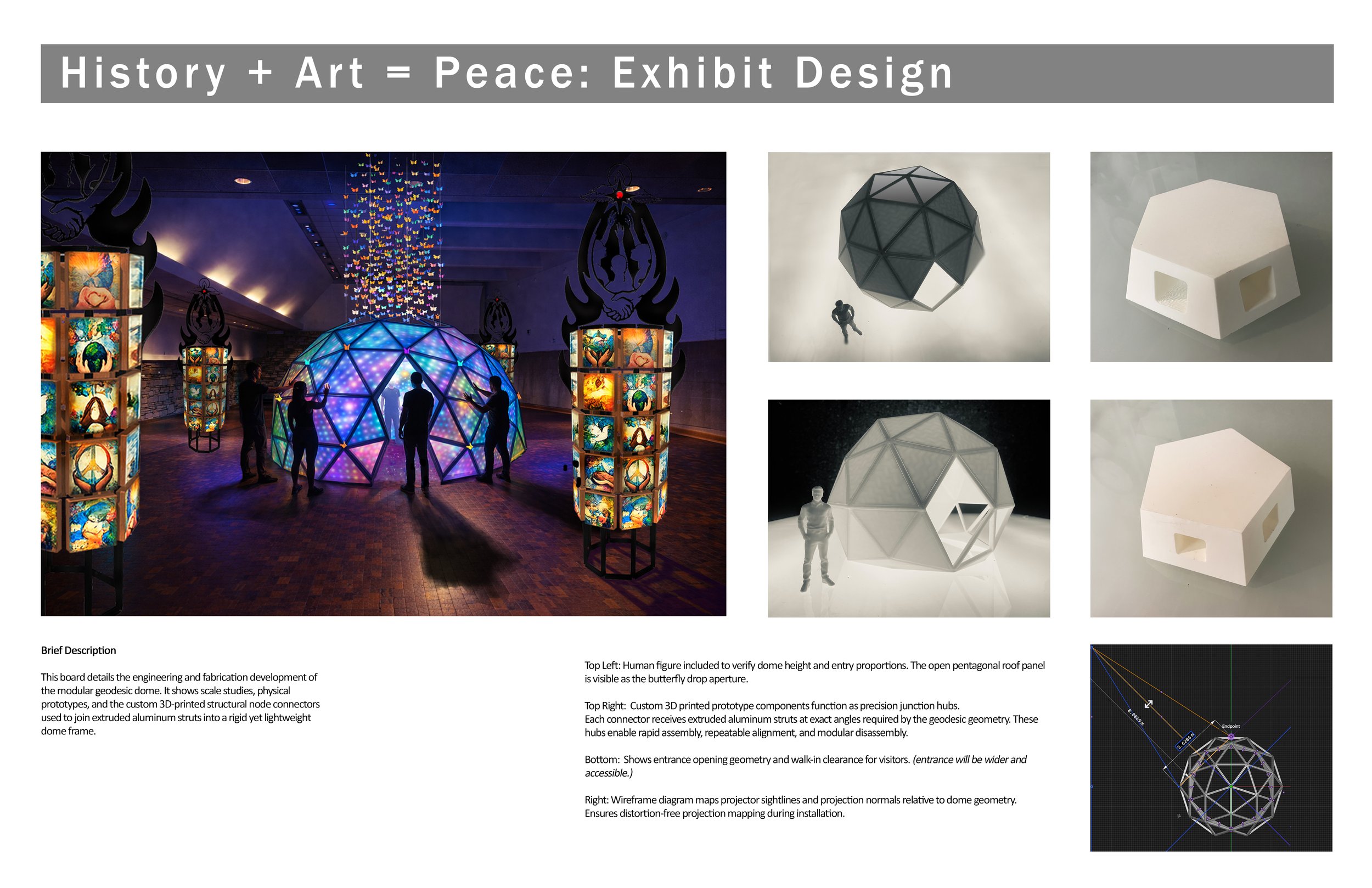
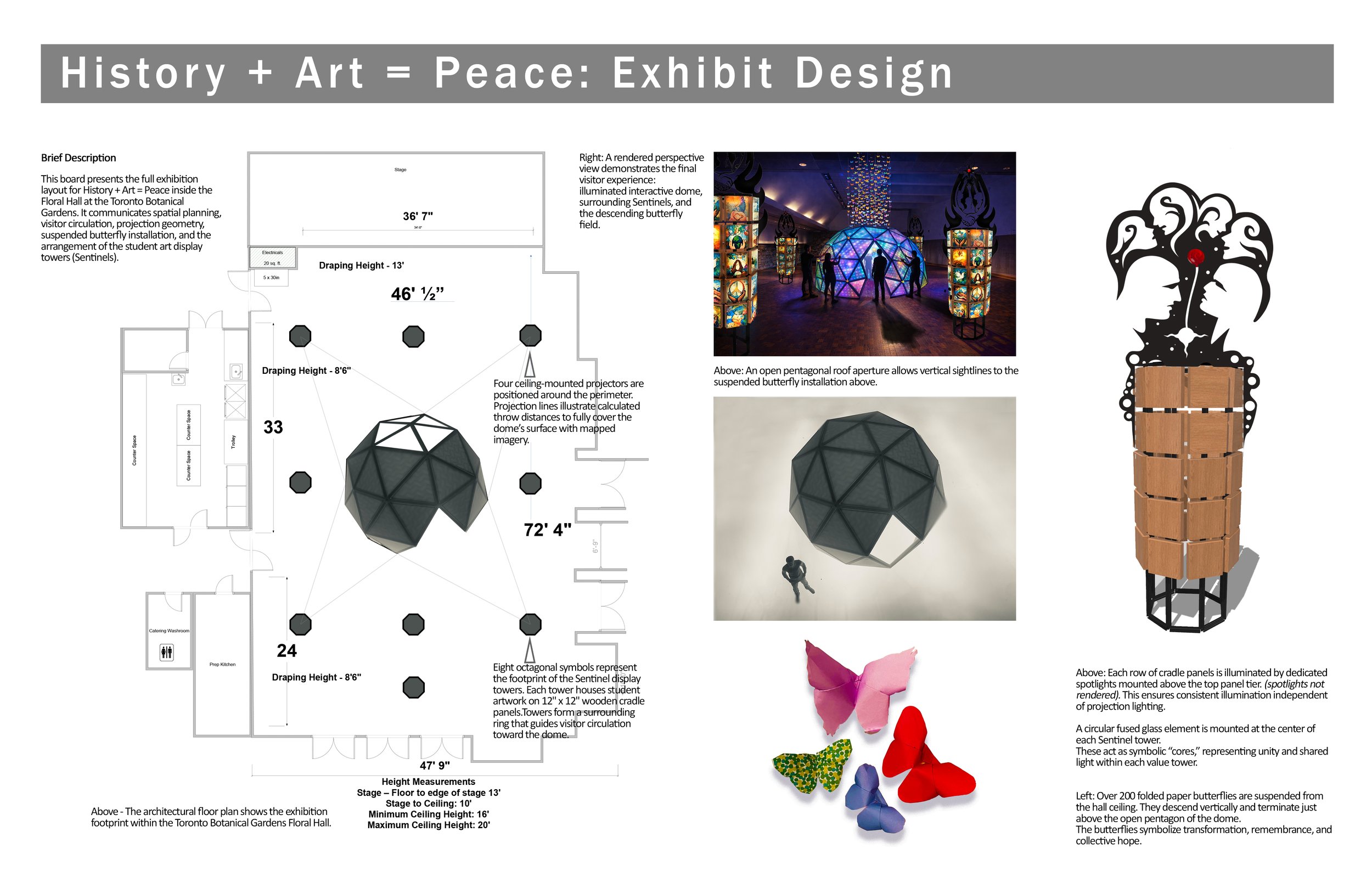
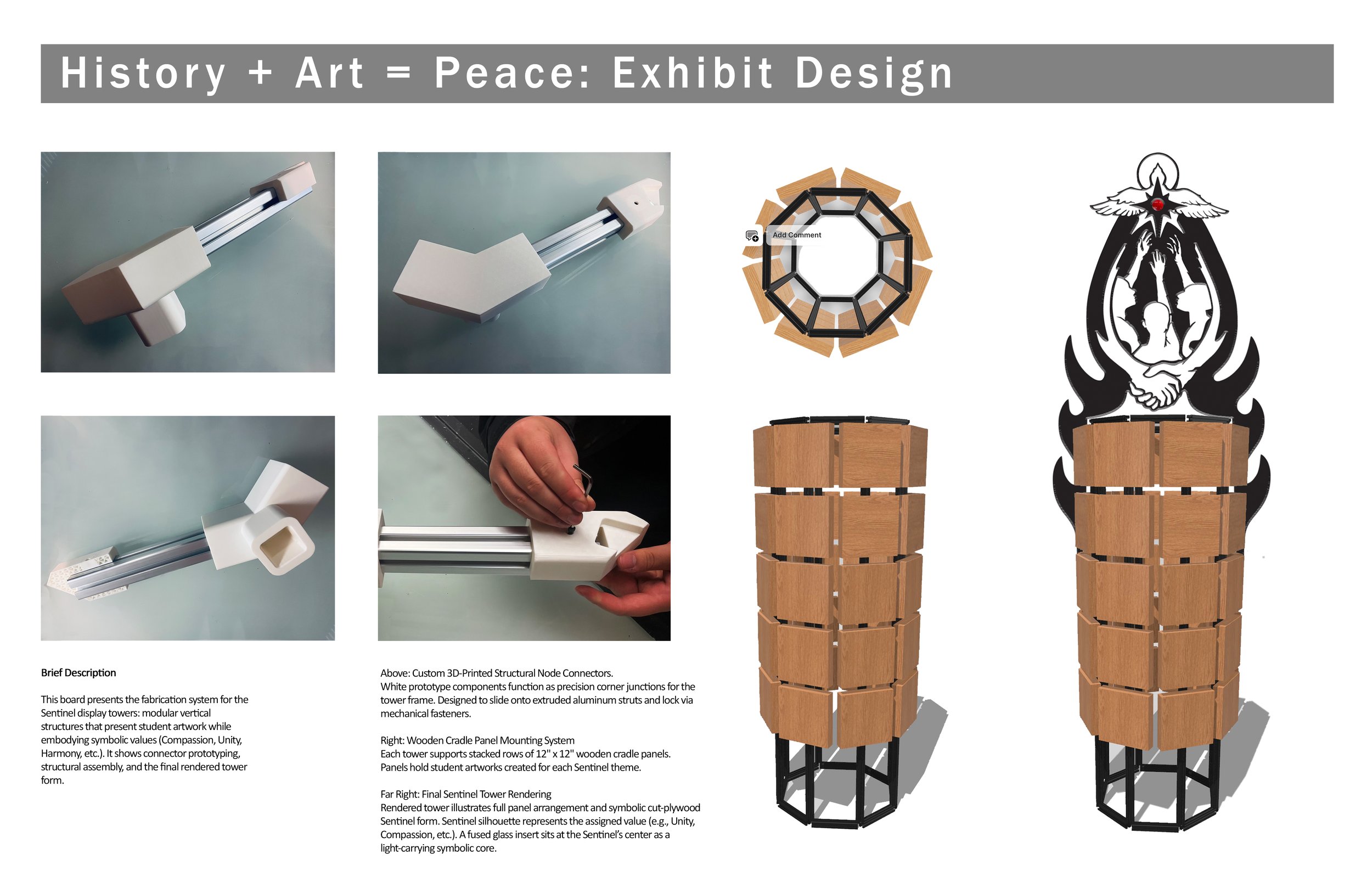
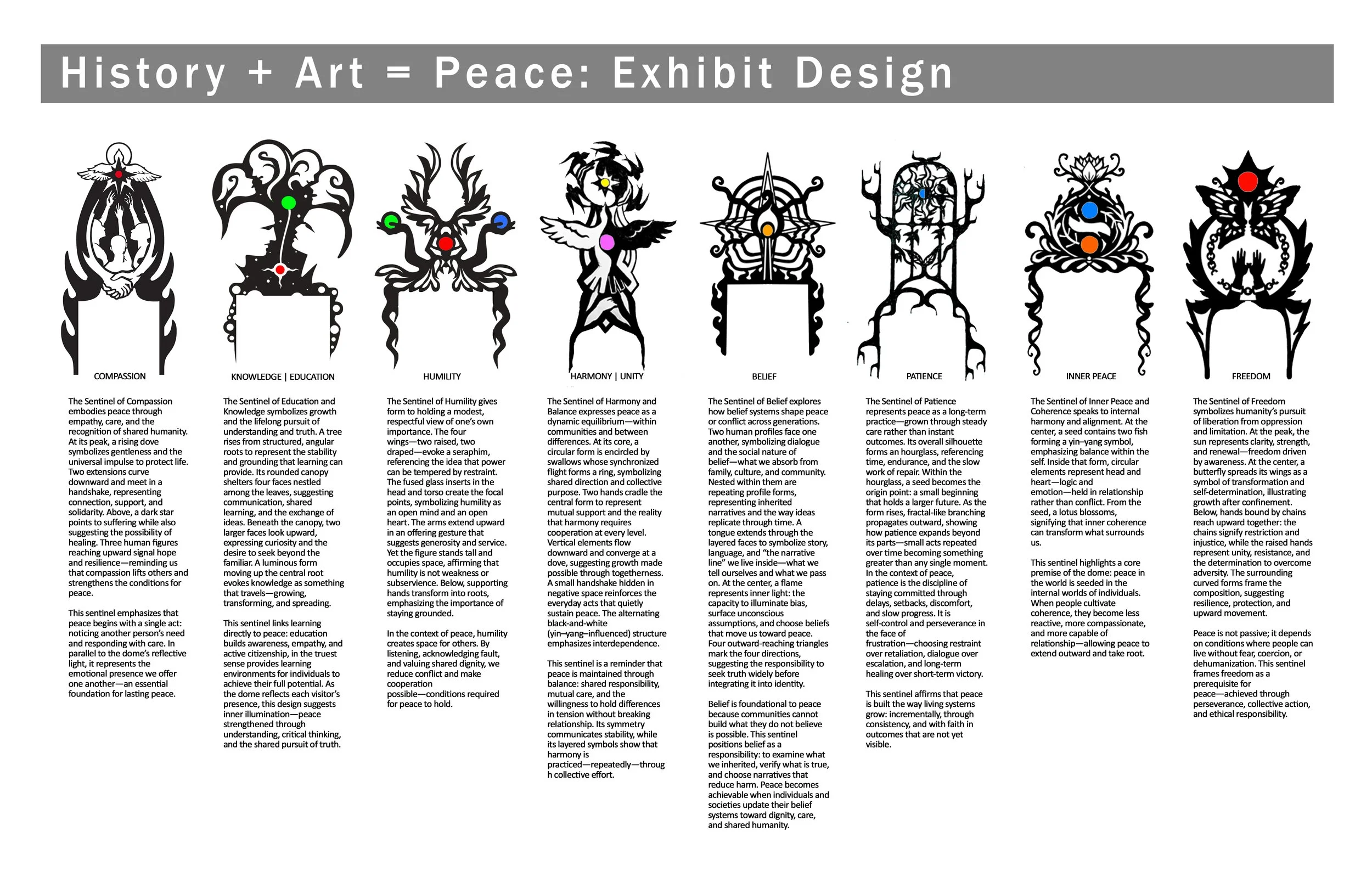
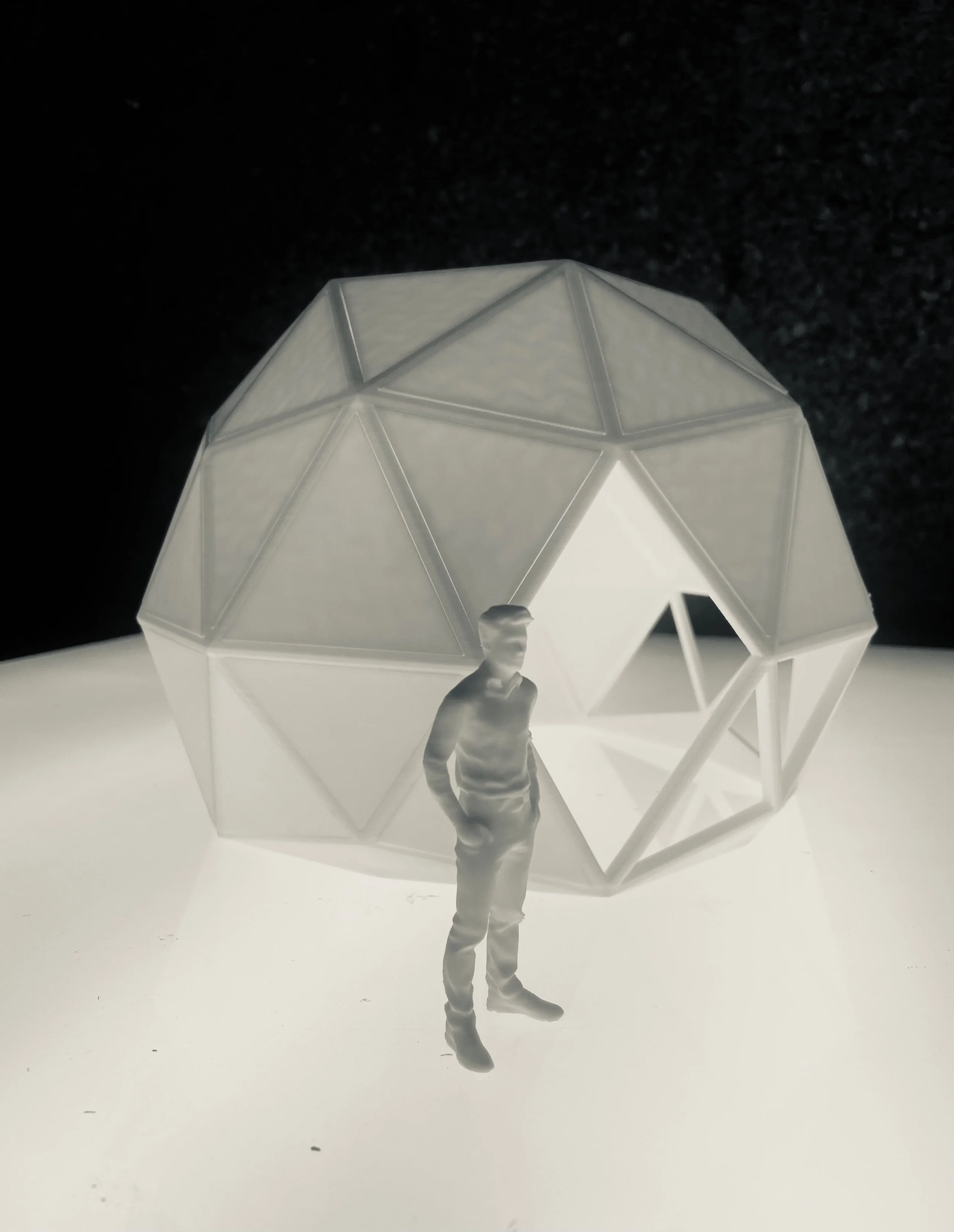
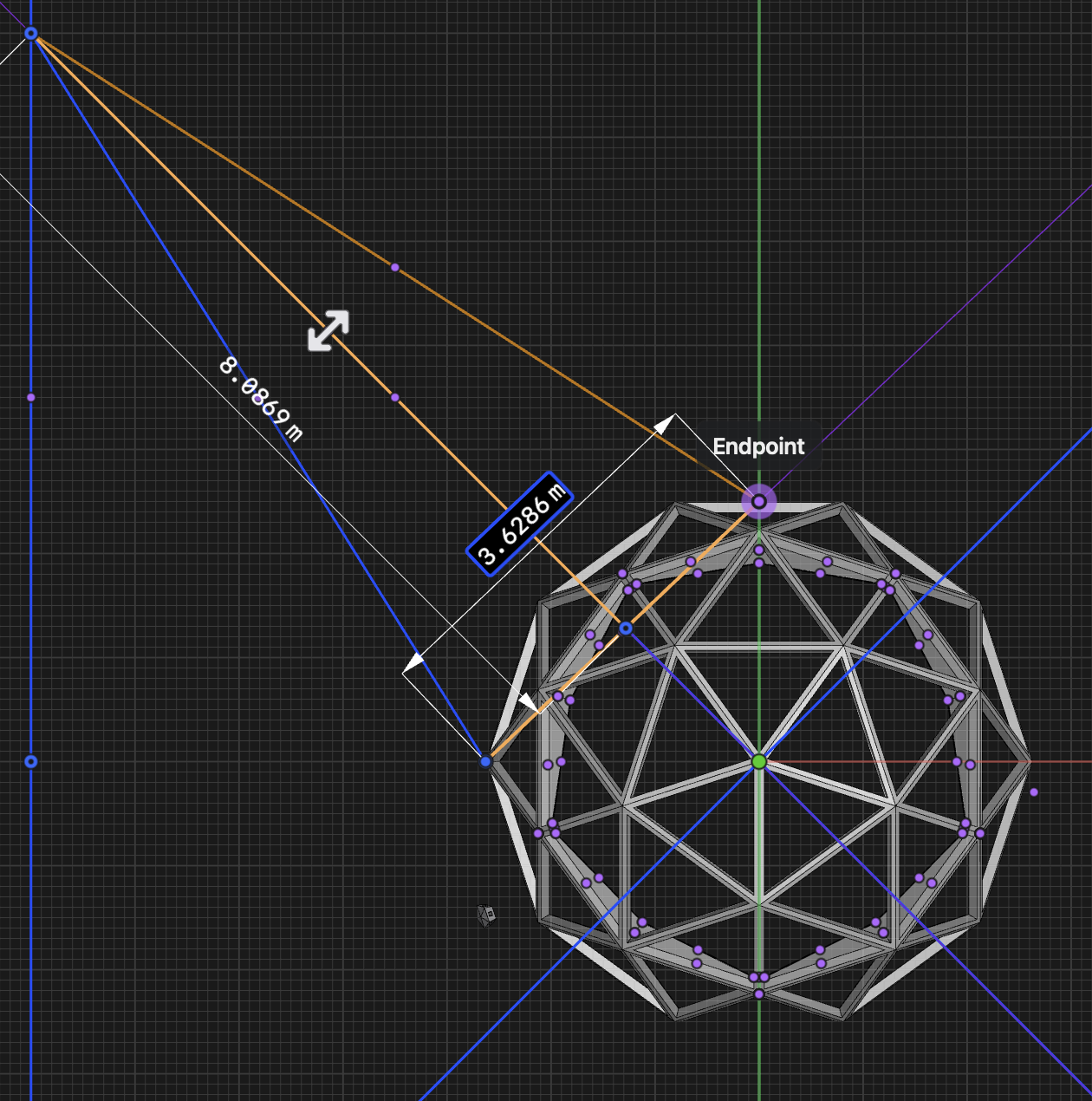
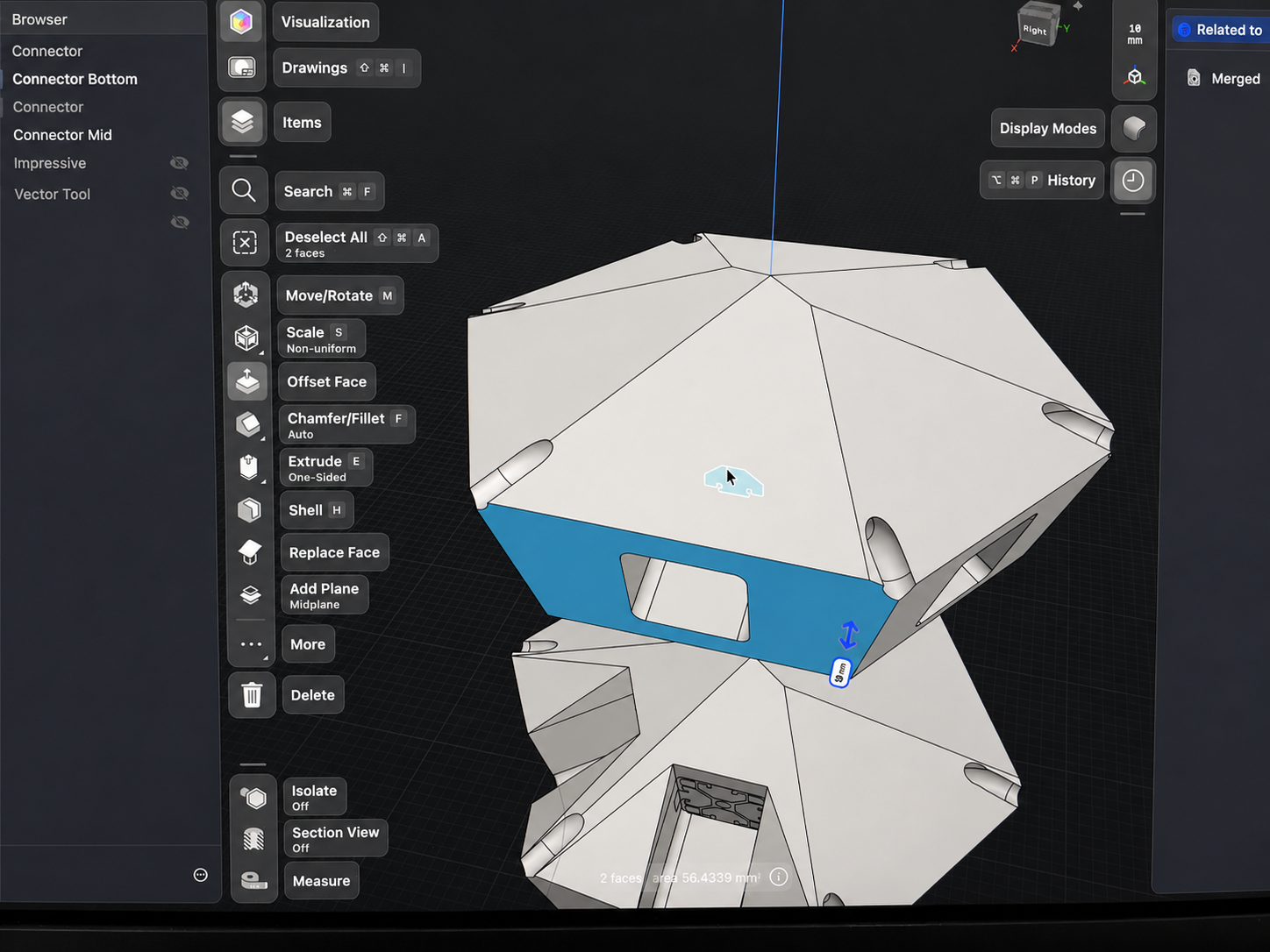
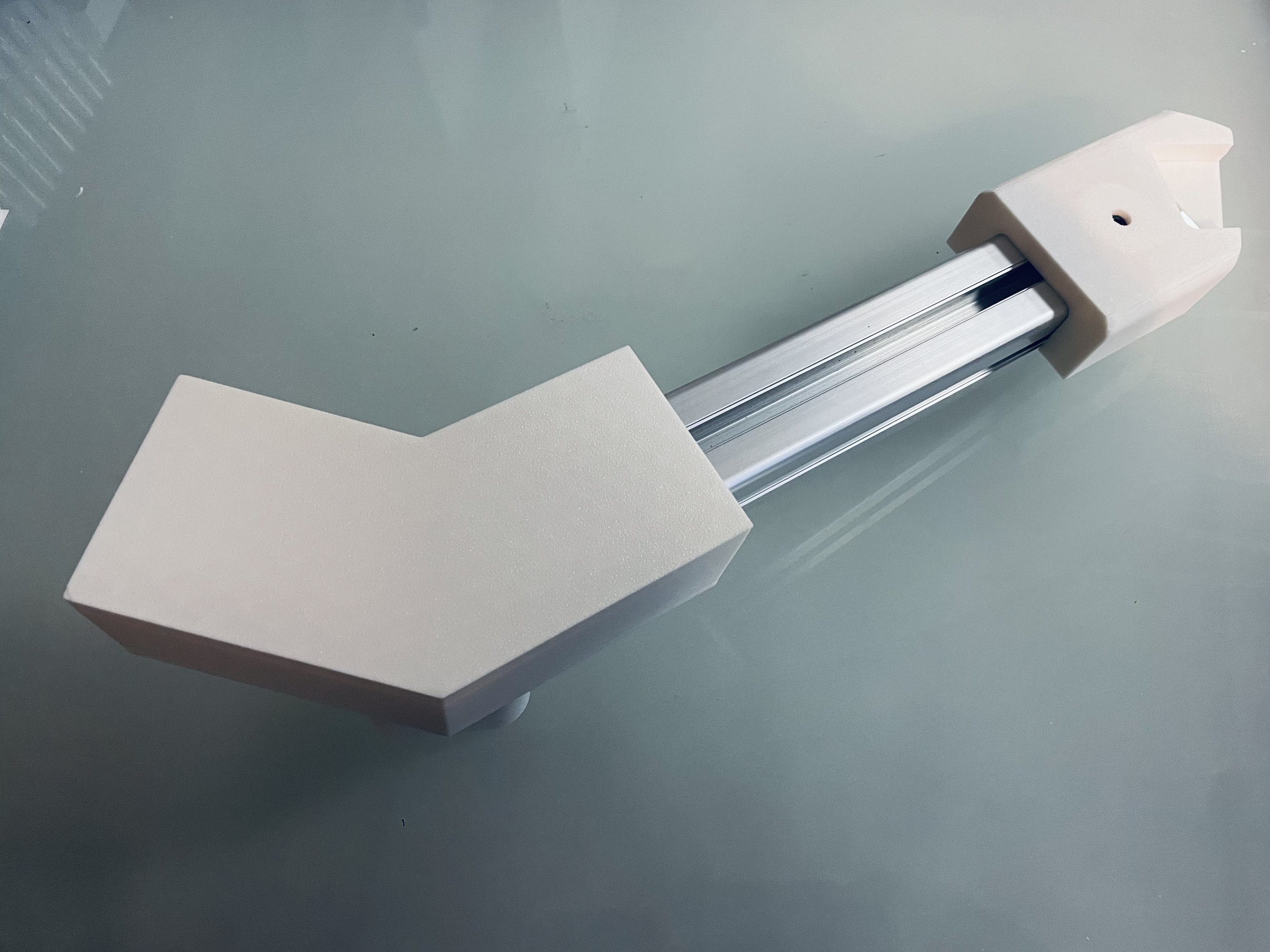
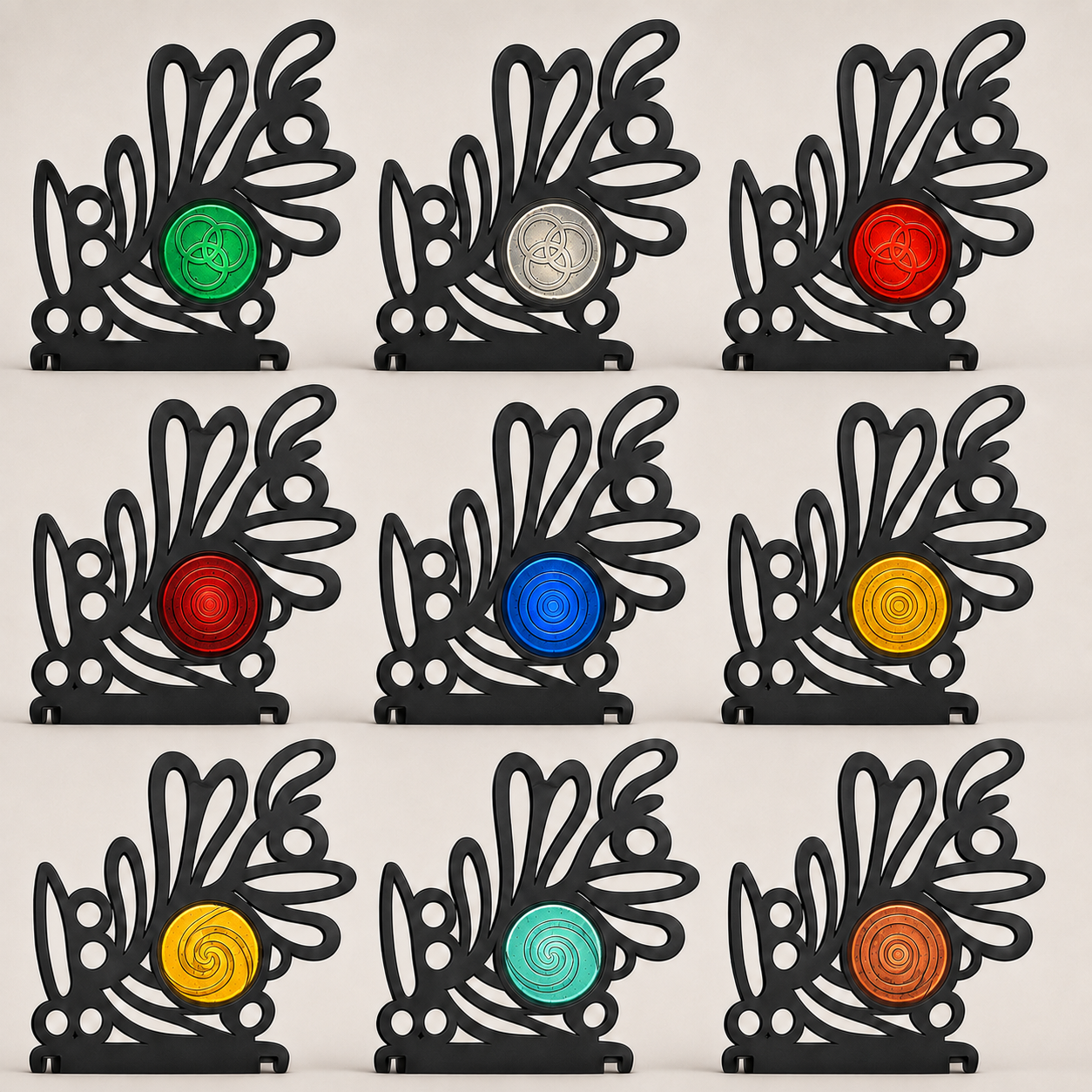
Threads of Memory & Art exhibition is a large-scale, youth-centered public art and peace education initiative that brings together historical inquiry, contemporary art, digital technology, fabrication, immersive experience, and contemplative practice. Developed through a collaboration between Alpha Education and Unionville High School, the project invites young people to study histories of conflict, injustice, human rights, reconciliation, and peace, and to transform that learning into original works of art and collective public expression.
At the heart of the project is a major immersive installation featuring approximately 500 student artworks created through workshops facilitated by Alpha Education. Alpha Education played a central role in developing and delivering the educational programming, facilitating participating school workshops, coordinating field trips to the WongAvery Peace Museum, and curating the final exhibition of student works.
As part of their learning experience, students who visited Alpha Education's WongAvery Peace Museum participated in a reflective origami activity after engaging with the museum's histories and themes. As a meditative exercise, each student created an origami butterfly, using the act of folding as a moment of quiet reflection following their learning. Approximately 1,000 of these butterflies were ultimately displayed in the exhibition. Collectively, they became a powerful visual symbol of transformation, suggesting the possibility that historical understanding, reflection, and empathy can lead to personal and social change.
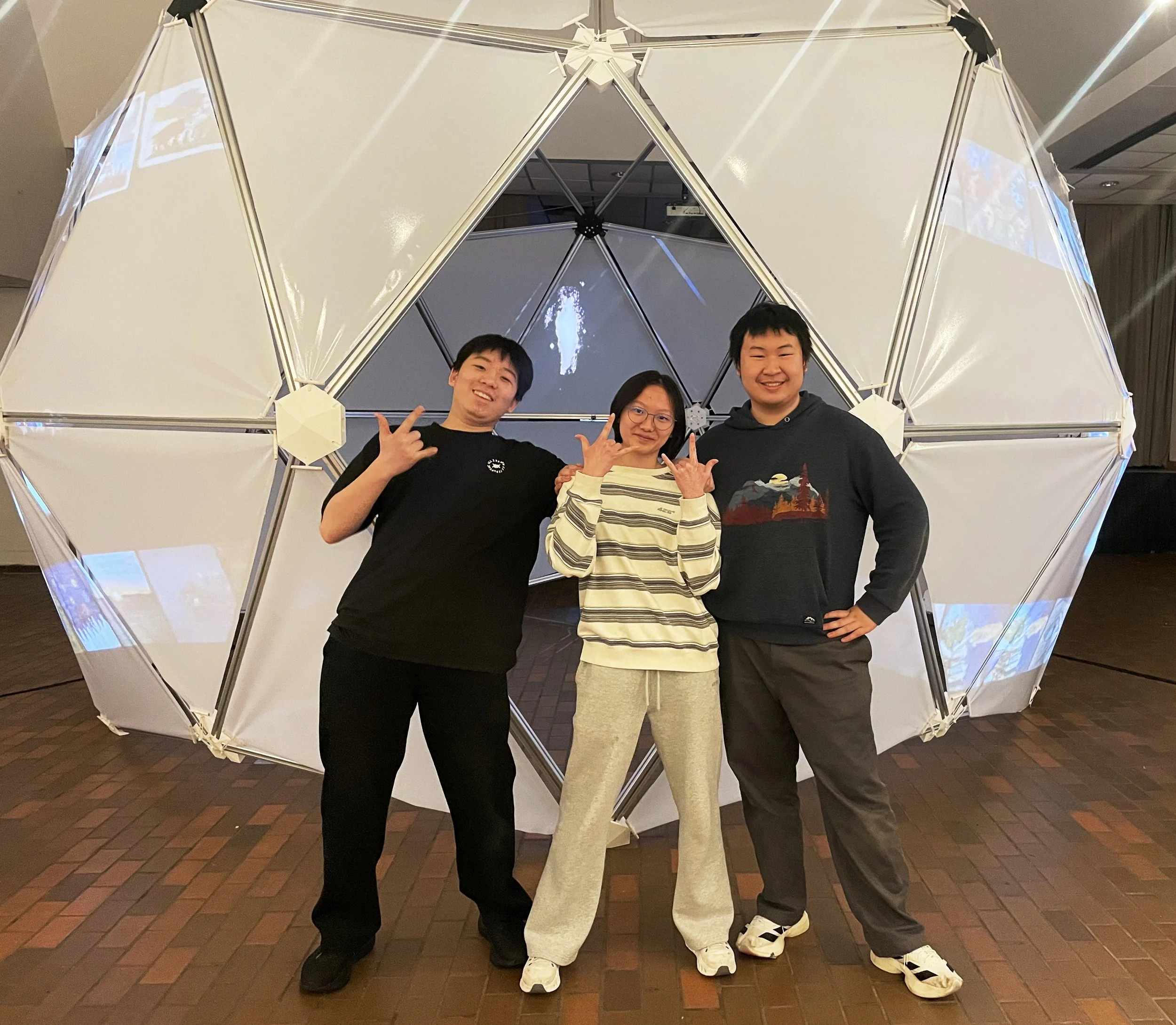
Unionville High School students served as the project's artistic and technical directors, taking a substantial leadership role in the conception, design, fabrication, programming, assembly, and installation of the exhibition. Working across art, design, technology, digital media, coding, fabrication, and construction, students designed and produced virtually all of the project's custom-built components.
Their work included the overall concept design; the design and fabrication of the central geodesic dome; the development and 3D printing of custom structural connectors; integrated lighting units; a translucent projection skin and mesh system; an integrated camera system; the design and construction of the Sentinels of Peace; fused-glass components for the Sentinels' illuminated eyes; a three-projector projection system; graphic and animated projections; and programming and coding using TouchDesigner software. Students also assembled the dome and Sentinels and integrated the exhibition's technical systems on site.
The completed installation was presented in the Great Hall at the Toronto Botanical Garden from March 4 to March 10, 2026. Within this large public exhibition space, visitors encountered the monumental Sentinels of Peace surrounding an illuminated interactive dome, approximately 500 student artworks curated by Alpha Education, and a suspended field of approximately 1,000 origami butterflies created through the WongAvery Peace Museum field-trip experience.
The central dome functions as both an architectural gathering space and an interactive digital environment. As visitors enter or move within the dome, an integrated camera system detects their presence and generates luminous silhouettes that are projected onto its translucent surface. The visitor therefore becomes part of the artwork itself. This interaction reinforces one of the project's central ideas: peace is not passive, abstract, or someone else's responsibility. Each individual who enters the installation becomes visibly implicated in the collective experience.
The origami butterflies extend this idea in a quieter and more contemplative way. Emerging directly from students' encounters with difficult histories, they represent transformation through reflection. Individually, each butterfly records a moment of focused attention. Collectively, the 1,000 forms create a visual metaphor for change, resilience, and the cumulative power of many small acts of learning and remembrance.
Threads of Memory & Art is therefore more than an exhibition. It is a large-scale collaborative learning ecosystem in which students become artists, researchers, designers, coders, fabricators, technical directors, exhibition installers, and cultural contributors. Historical learning becomes material, spatial, digital, interactive, meditative, and public.
The deeper ambition of Threads of Memory & Art is to transform remembrance into agency. Rather than asking students only to learn about the past, the project asks them to consider what the past requires of us now. Through approximately 500 student artworks, 1,000 origami butterflies, monumental sculpture, immersive projection, interactive technology, and youth-led design and fabrication, Threads of Memory & Art creates a contemporary space for reflection on memory, transformation, responsibility, and the possibility of peace.
Behind the Scenes